
Finding the right Wi-Fi router for TDS fiber can be tricky. With options like Deco 7, eero 6, and Nighthawk R6700AX, you need to consider coverage, speeds, and compatibility.
I’ll compare these routers based on their coverage area, speeds, and whether they work with your existing TDS fiber modem. Look for these details to help you choose the best fit.
⚡ Quick Verdict
Best Routers for TDS Fiber- Comparison Table
| Router | WiFi Standard | Speed Class | Bands | Coverage | Ethernet Ports | Best For | Check Price |
|---|---|---|---|---|---|---|---|
| TP-Link Deco 7 | WiFi 7 | BE5000 | Dual-Band | Up to 6,600 sq ft | 2.5Gb Ethernet | Best overall whole-home WiFi 7 mesh | Check Price → |
| TP-Link Deco BE23 | WiFi 7 | BE3600 | Dual-Band | Up to 6,500 sq ft | 2.5Gb Ethernet | Affordable WiFi 7 mesh | Check Price → |
| TP-Link Archer BE6700 | WiFi 7 | BE12000 | Tri-Band | Large homes | Multi-Gig | Gaming and high-speed internet | Check Price → |
| NETGEAR Nighthawk RS140 | WiFi 7 | BE5000 Class | Dual-Band | Up to 2,250 sq ft | Multi-Gig | Premium standalone router | Check Price → |
| Amazon eero 6 | WiFi 6 | AX1800 | Dual-Band | Medium homes | Gigabit | Smart home users | Check Price → |
| NETGEAR Nighthawk R6700AX | WiFi 6 | AX1800 | Dual-Band | Up to 1,500 sq ft | Gigabit | Budget WiFi 6 upgrade | Check Price → |
| TP-Link Archer AX21 V5 | WiFi 6 | AX1800 | Dual-Band | Up to 1,500 sq ft | Gigabit | Small homes and apartments | Check Price → |
📋 How We Evaluated
Evaluations focus on raw throughput, coverage area, and hardware build quality. Performance metrics and ease of setup are weighted heavily alongside security commitments and compatibility with fiber gateways.
Detailed Reviews
Deco 7 Dual-Band 🏆 Editor’s Pick

| WiFi Standard | WiFi 7 |
| Max Speed | 5 Gbps |
| Coverage | 6,600 sq. ft. |
| Security | CISA Secure-by-Design |
What We Found
The TP-Link Deco 7 BE5000 represents a significant leap forward in home networking technology. By utilizing the WiFi 7 standard, it delivers impressive throughput of up to 5 Gbps. The system utilizes four-stream technology to manage high-bandwidth tasks like 8K streaming and intensive gaming with ease.
Its massive 6,600 square-foot coverage range makes it ideal for large homes where dead zones are common. The unit supports both wired and wireless backhaul, ensuring that every node maintains a strong connection to the main network.
Furthermore, TP-Link emphasizes security through its CISA Secure-by-Design pledge, providing peace of mind for privacy-conscious users. The setup process via the Deco app remains incredibly intuitive, allowing users to configure their entire home network in just a few minutes.
💬 My Take
The Deco 7 BE5000 is the ultimate choice for high-speed fiber users. It combines elite performance with a user-friendly ecosystem.
Who It’s For
This system suits power users or large families who require maximum bandwidth for numerous devices. It is perfect for those who want a future-proof setup capable of handling high-speed fiber tiers without bottlenecks. Its ability to cover large estates makes it a top choice for multi-story homes.
If you need a reliable, high-performance system that remains easy to manage, this Deco unit delivers exceptional value for its capability.
✅ Pros
- Delivers cutting-edge WiFi 7 speeds for demanding applications.
- Provides massive coverage area suitable for large homes.
- Integrates seamlessly with existing fiber modem setups.
❌ Cons
- Requires multiple units to maximize backhaul performance.
- Advanced features may exceed the needs of casual users.
- Price point is higher than entry-level WiFi 6 systems.
TP-Link Deco 7 BE23🥈 Runner-Up

| WiFi Standard | WiFi 7 |
| Max Speed | 3.6 Gbps |
| Coverage | 2,500 sq. ft. |
| Ports | 2 x 2.5 Gbps |
What We Found
The TP-Link Deco 7 BE23 is an impressive WiFi 7 mesh router that brings high-end features to a more accessible price point. It features multi-gigabit 2.5 Gbps ports, allowing users to take full advantage of fast fiber internet plans.
The unit utilizes Multi-Link Operation to enhance stability, providing a reliable backhaul for heavy data users. With a coverage area of 2,500 square feet per node, it easily handles large spaces while maintaining high speeds for up to 150 devices.
The hardware is designed with security as a priority, aligning with the CISA Secure-by-Design pledge. Its compact form factor conceals powerful high-gain antennas that ensure a strong signal throughout the home. This system is a strong contender for anyone looking to upgrade to the latest wireless standard without overspending.
💬 My Take
A fantastic, high-performance mesh system that maximizes fiber speed. It is a top-tier choice for modern, data-heavy households.
Who It’s For
This is ideal for tech-savvy users who want the benefits of WiFi 7 and multi-gig connectivity. It is perfect for remote workers, gamers, and students who need a stable, high-speed connection for multiple devices simultaneously.
If you have a larger home and require consistent coverage, this system offers a balanced, high-performance solution.
✅ Pros
- Includes high-speed 2.5 Gbps ports for multi-gig plans.
- Uses advanced WiFi 7 features for superior stability.
- Strong, reliable backhaul for high-performance usage.
❌ Cons
- Requires compatible WiFi 7 devices to see full benefits.
- Setup requires the Deco app for all configurations.
- Slightly lower top-end speed than the BE5000 model.
TP-Link Archer BE12000 Tri-Band👑 Premium Pick

| WiFi Standard | WiFi 7 |
| Max Speed | 12 Gbps |
| Coverage | 2,600 sq. ft. |
| WAN Port | 10 Gbps |
What We Found
The TP-Link Archer BE670 is a premium tri-band WiFi 7 router designed for those who demand ultimate networking power. Its standout feature is the 10 Gbps WAN/LAN port, which future-proofs the home for even the fastest upcoming fiber tiers.
The tri-band architecture delivers a massive total bandwidth of up to 12,000 Mbps, splitting data across 6 GHz, 5 GHz, and 2.4 GHz bands. This ensures that high-priority tasks like AR/VR gaming and 8K streaming never compete for airtime.
Six high-gain antennas work with beamforming technology to focus signals into hard-to-reach corners, providing 2,600 square feet of coverage. The build quality is excellent, reflecting its position as a high-end networking device. It is a powerful, future-ready solution for the most demanding digital households.
💬 My Take
The ultimate router for extreme performance enthusiasts. It offers unmatched speed and future-ready connectivity for any home.
Who It’s For
This router targets power users and early adopters who want the fastest possible speeds. It is perfect for households with many high-end devices and those who want to prepare for future multi-gig internet upgrades. If you need maximum performance and future-proofing, this device is the ultimate networking centerpiece.
✅ Pros
- Incredible 10 Gbps port ensures future-proof connectivity.
- Tri-band speed handles many devices without congestion.
- Covers large areas with strong, focused signals.
❌ Cons
- Significantly more expensive than standard mesh systems.
- Overkill for users with basic internet requirements.
- Requires significant space for its larger footprint.
NETGEAR Nighthawk RS140

| WiFi Standard | WiFi 7 |
| Max Speed | 5 Gbps |
| Coverage | 2,250 sq. ft. |
| App Control | Nighthawk App |
What We Found
The NETGEAR Nighthawk RS140 is a specialized WiFi 7 router built for busy, device-heavy homes. It provides up to 5 Gbps of total bandwidth, offering a significant speed boost over typical WiFi 6 routers.
The device uses MU-MIMO and OFDMA technologies to ensure that multiple devices can send and receive data at the same time without lag. Its coverage reaches 2,250 square feet, making it suitable for moderate to large homes.
The Nighthawk app makes setup and management simple, allowing users to configure guest networks or pause internet access with ease. It is a robust, well-engineered device that balances high-speed performance with reliable, everyday usability.
This router serves as a strong upgrade for those who need more speed but are not ready for a multi-node mesh system.
💬 My Take
A powerful standalone router that bridges the gap between basic and elite networking. It performs reliably under heavy load.
Who It’s For
This is ideal for busy households with many connected devices that need reliable, high-speed WiFi. It suits users who prefer a single, powerful router over a complex mesh system but still need to cover a decent amount of space.
If you want to increase your network capacity without high costs, this is a solid choice.
✅ Pros
- Fast WiFi 7 speeds for high-traffic environments.
- MU-MIMO technology effectively handles many devices.
- Simple management via the Nighthawk app.
❌ Cons
- Standalone performance may struggle in very large homes.
- Requires placement in a central location for best range.
- Higher cost than standard WiFi 6 standalone routers.
Amazon eero 6 mesh wifi router 🥈 Runner-Up
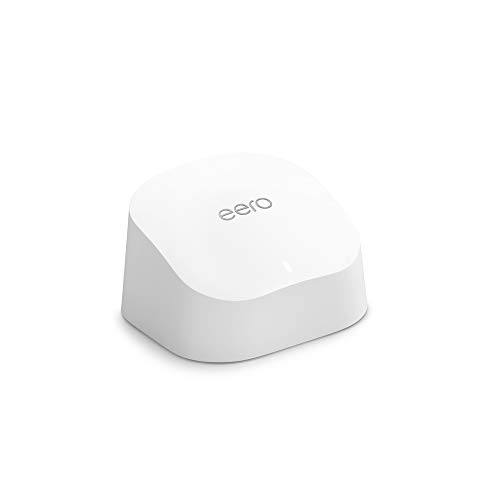
| WiFi Standard | WiFi 6 |
| Max Speed | 900 Mbps |
| Coverage | 1,500 sq. ft. |
| Smart Hub | Built-in Zigbee |
What We Found
The Amazon eero 6 provides a straightforward, reliable mesh solution for standard fiber plans. It utilizes TrueMesh technology to route traffic intelligently and eliminate dead spots throughout your home. The system supports WiFi 6, offering faster speeds than older standards while maintaining a compact, unobtrusive physical design.
A standout feature is the built-in Zigbee smart home hub, which simplifies the management of connected IoT devices without extra hardware. Setup is exceptionally fast, guided by the intuitive eero app.
While it lacks the extreme speeds of WiFi 7 systems, it remains a highly consistent performer for daily tasks like video conferencing and 4K streaming. It serves as a solid foundation for users who prioritize simplicity and smart home integration over absolute peak throughput.
💬 My Take
A reliable, entry-level mesh system for basic fiber users. It excels in simplicity and smart home convenience.
Who It’s For
This router is ideal for average households with standard internet plans up to 900 Mbps. It works perfectly for users who want a set-and-forget mesh system that integrates with Alexa and Zigbee devices.
If you live in a smaller home or apartment and need reliable coverage without complex configurations, this is a practical choice.
✅ Pros
- Extremely simple setup process via the eero app.
- Integrated Zigbee hub reduces smart home clutter.
- TrueMesh technology effectively manages traffic flows.
❌ Cons
- Limited to 900 Mbps, which may bottleneck faster fiber plans.
- Lacks the advanced speed benefits of newer WiFi 7 hardware.
- Single-pack coverage is limited compared to larger systems.
NETGEAR Nighthawk R6700AX

| WiFi Standard | WiFi 6 |
| Max Speed | 1.8 Gbps |
| Coverage | 1,500 sq. ft. |
| App Control | Nighthawk App |
What We Found
The NETGEAR Nighthawk R6700AX serves as a robust standalone WiFi 6 router for users who prefer a single-unit setup. It delivers a total bandwidth of 1.8 Gbps, providing ample speed for gaming and high-definition video streaming.
Its build quality is sturdy, and the design prioritizes efficient cooling for stable long-term performance. The Nighthawk app handles setup and management, allowing users to pause devices or run speed tests remotely. While it covers up to 1,500 square feet, its signal strength remains solid through walls and floors.
This router is backward compatible with older devices, making it a versatile choice for mixed-device households. It is a no-nonsense device that focuses on delivering stable connectivity to a moderate number of connected devices without the complexity of a multi-node mesh system.
💬 My Take
A dependable standalone router for smaller homes. It delivers consistent speeds and avoids the complexity of mesh networking.
Who It’s For
This router is best for individuals in smaller homes or apartments who do not require a full mesh system. It fits users who want a dedicated, high-performance router that handles multiple concurrent streams without dropping connections.
It is a great choice for gamers and remote workers who value a reliable, wired-like wireless experience.
✅ Pros
- Solid, reliable performance for high-bandwidth tasks.
- Easy management through the dedicated Nighthawk app.
- Backward compatible with all previous WiFi generations.
❌ Cons
- Coverage area is restricted to smaller living spaces.
- Lacks the expansion potential of a mesh system.
- Design is bulkier than modern mesh nodes.
TP-Link AX1800 💵 Budget Pick

| WiFi Standard | WiFi 6 |
| Max Speed | 1.8 Gbps |
| Coverage | Not specified |
| Security | CISA Secure-by-Design |
What We Found
The TP-Link Archer AX21 V5 is a reliable, budget-friendly WiFi 6 router that delivers impressive value. While it lacks the extreme speeds of WiFi 7, it provides a stable 1.8 Gbps bandwidth that is more than sufficient for most households.
It utilizes OFDMA technology to manage multiple devices simultaneously, reducing network congestion during peak hours. The inclusion of four high-gain antennas and beamforming technology ensures decent coverage for standard-sized homes. TP-Link maintains its strong security commitment here, ensuring the device remains protected against modern threats.
The setup process is straightforward through the Tether app, making it accessible even for those without technical expertise. It is a sensible choice for users who want to upgrade from ISP-provided hardware without spending a significant amount of money.
💬 My Take
The best value option for those needing a dependable, affordable upgrade. It delivers solid performance for everyday use.
Who It’s For
This is perfect for budget-conscious families or students who need reliable WiFi for daily tasks. It works well for small to medium-sized homes where high-speed fiber is used for browsing, streaming, and light gaming.
If you want a cost-effective, dependable upgrade, this router offers the best balance of price and performance.
✅ Pros
- Excellent price-to-performance ratio for home users.
- Reliable WiFi 6 connectivity for most daily needs.
- Easy setup and management via the Tether app.
❌ Cons
- Lacks modern WiFi 7 performance and speed.
- Not suitable for extremely large home environments.
- Limited to dual-band performance.
What to Look For Before Buying
Selecting the right mesh system requires careful consideration of your home’s layout and your internet plan’s speed. Prioritize systems that support the latest wireless standards to ensure your hardware remains relevant for years. Consider your specific coverage needs and the number of devices that will connect simultaneously.
Check: Assess Your Fiber Tier
Check your internet plan speed before purchasing any router. If you pay for multi-gig fiber, you need a router with 2.5 Gbps or 10 Gbps ports. Standard gigabit ports will bottleneck your connection. Ensure your hardware matches your ISP’s capability to avoid performance loss.
Value: Determine Coverage Requirements
Measure your home’s square footage to select the right number of mesh nodes. Larger, multi-story homes benefit from multi-node systems to eliminate dead zones. Smaller apartments may only require a single, high-performance router. Over-provisioning coverage can save you from future headaches.
Rating: Prioritize WiFi Standards
Look for WiFi 7 support to future-proof your home network. WiFi 7 offers significant speed improvements and better congestion management than WiFi 6. If you have a tight budget, WiFi 6 remains a viable and reliable choice. Always check for backward compatibility with your existing devices.
Verify Security Features
Verify the manufacturer’s commitment to security and regular firmware updates. Look for devices that follow modern security standards like the CISA Secure-by-Design pledge. Regular updates keep your network safe from evolving digital threats. A secure router is just as important as a fast one.
Frequently Asked Questions
Do I need a separate modem for these routers?
Yes, all the listed routers require a separate modem or an existing fiber gateway. The router connects to your modem via an Ethernet cable to broadcast the WiFi signal. Ensure your modem is set to bridge mode if using a gateway to avoid double NAT issues.
Can I mix different brands of mesh systems?
Generally, you should stick to a single brand for mesh systems to ensure seamless roaming. Mixing brands often breaks the mesh functionality, forcing devices to reconnect as you move through your home. Keeping your nodes from the same manufacturer guarantees the best performance.
How many mesh nodes do I really need?
The number of nodes depends on your home’s size and physical obstructions like thick walls. A single node often covers 1,500 to 2,500 square feet in an open floor plan. Add more nodes if you experience weak signals in specific rooms or on different floors.
Will these routers work with my TDS Fiber plan?
Yes, all these routers are compatible with standard fiber internet services via Ethernet. They connect easily to the ONT provided by TDS. Ensure the router’s WAN port speed meets or exceeds your specific fiber plan’s bandwidth.
Is WiFi 7 necessary for fiber internet?
WiFi 7 is not strictly necessary, but it is highly recommended for high-speed fiber tiers. It handles higher speeds more efficiently and reduces latency for gaming and streaming. It represents the best path forward for future-proofing your home network.
🎯 Final Verdict
For the best overall experience with TDS Fiber, the TP-Link Deco 7 BE5000 is the clear top pick. Its combination of WiFi 7 speeds and expansive coverage ensures that your high-speed internet is never wasted.
For those seeking a slightly more budget-friendly but still high-performance option, the TP-Link Deco 7 BE23 is an excellent runner-up that maintains great connectivity. Invest in a system that supports your fiber bandwidth to see the true potential of your connection.
Upgrade today to experience the speed and reliability your home deserves.