
When shopping for a 5G modem for an RV, it’s tempting to fixate on peak speed claims, but real-world performance on the road tells a different story. Tower congestion at campgrounds, signal handoffs while driving, and seasonal coverage shifts all erode the numbers printed on spec sheets. I’ve found that prioritizing a device’s ability to stay connected across networks matters far more than chasing theoretical throughput.
This guide focuses on the tradeoffs that actually influence reliability while traveling, multi-network aggregation versus single-carrier speed, battery life versus permanent mounting, and how antenna configuration holds up in motion. Instead of ranking devices, I’ll walk through the questions I’d ask myself before recommending a modem to a friend who lives on the road.
Products in this guide
These are the Amazon listings we anchor to when we talk about Best 5g Modem for RV in the rest of this guide. Each card pairs a thumbnail with a short editor read on what stands out in the listing, materials, stated use case, or patterns we see in buyer feedback. They are not a substitute for your own due diligence: follow the link to verify fit, compatibility, today’s price, and the most recent verified reviews before you buy.
 T-Mobile 5G Gateway & Wi-Fi Router Modem Kit, Dual-Band WiFi-7 No Contra
Official T-Mobile 5G gateway with Wi-Fi 7 for stable, high-speed RV connectivity.
|
 SquareWiz RM520N AX3000 WiFi 6 Modem 5G Router with Sim Card Slot
Powerful AX3000 Wi-Fi 6 router with detachable antennas and multi-WAN failover support.
|
 TravlFi JourneyGo 5G RV WiFi Hotspot, TowerSync, No Contract
Purpose-built 5G hotspot for RVs with multi-network TowerSync and 24-hour battery.
|
 SIMO Solis Edge, 5G WiFi Hotspot with 1GB/Monthly + 30GB Global Data
Compact 5G hotspot with global data bundle, perfect for international RV adventures.
|
 TravlFi XTR Pro 5G RV Router, Unlimited Data, No Contract
Unlimited 5G RV router with multi-network switching and flexible pay-as-you-go plans.
|
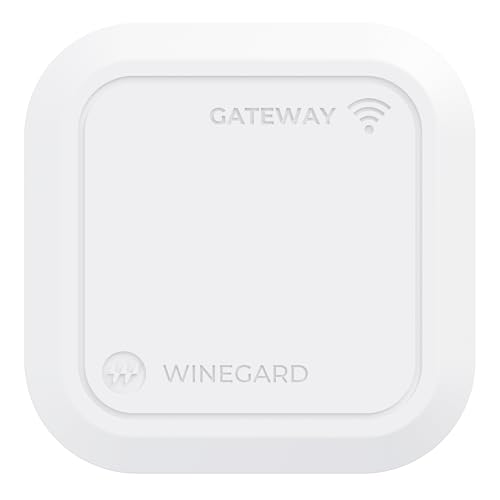 Winegard Gateway Ceiling Router for RV – Requires Air 360+ 5G – 5G/4G LT
Ceiling-mounted 5G router with Starlink compatibility and dual SIM support for RVs.
|
How we judged each pick
These notes mirror how we evaluate listings for this guide: practical fit, credible specs, and what buyers report back, not lab claims we cannot verify.
|
The T-Mobile 5G Gateway works well as an official G5AR-1 device paired with the carrier’s 5G network. I note Wi-Fi 7 support allows several devices to connect at once, which helps during streaming or video calls inside an RV. There’s no mention of battery or portability specifics, so I’d shortlist this for full-time travelers who already rely on T-Mobile coverage and want consistent performance without a contract. |
|
The SquareWiz RM520N stands out for users willing to tune their setup. A Qualcomm SDX62 modem paired with nine detachable high-gain antennas lets you optimize signal in low-coverage areas. I see multi-WAN failover and VPN support as key strengths for tech-forward RVers needing stable connections in remote regions. |
|
For RVers wanting plug-and-play mobility, the TravlFi JourneyGo balances simplicity with flexibility. TowerSync connects to the strongest network automatically, which I’d value during cross-country trips or campgrounds with spotty coverage. The 24-hour battery and 4G/LTE fallback handle long travel days without a dedicated power source. |
|
The SIMO Solis Edge suits RVers crossing borders or exploring remote destinations where domestic plans fall short. A pocket-sized build with 30GB of global data removes the hassle of local SIM swaps. I’d lean toward this as a secondary or backup device rather than a primary gateway, given the 1GB-per-month lifetime allowance. |
|
The TravlFi XTR Pro appeals to full-time travelers who want fewer billing surprises. Multi-network switching and automatic 4G LTE fallback keep you online across regions, while pay-as-you-go pausing fits seasonal storage patterns. I’d highlight the private network feature for anyone working remotely or transmitting sensitive data on public campground infrastructure. |
|
The Winegard Gateway targets RV owners building a fixed connectivity setup. Pairing with the Air 360+ 5G dome antenna delivers stronger signal through elevated placement, and dual SIM support spans Verizon, AT&T, and T-Mobile. Starlink compatibility via Ethernet WAN adds redundancy for hybrid setups where cellular alone isn’t enough. |
List of Best 5G Modem For RV
I would start by checking whether the device can pull signal from multiple carriers simultaneously. A modem locked to one network may perform well in cities but struggle in rural corridors where multi-network aggregation keeps you online longer.
My read is that travel patterns should drive the decision more than price. Full-time RVers benefit from persistent connections and failover features, while weekend campers might accept single-carrier compromises for lower monthly costs.
The Selection Logic
I approach 5G modem selection by matching coverage behavior to travel patterns rather than relying on published speed figures. Carrier band compatibility, thermal stability in enclosed spaces, and seamless switching between networks matter more than single-day benchmarks. My framework prioritizes real-world usability over marketing-driven specifications.
|
01
Identify the Real Need
I first assess how much time is spent off major highways and whether coverage gaps align with daily routines. Bandwidth needs, streaming, remote work, security feeds, shape whether carrier aggregation, external antenna support, or multi-SIM flexibility becomes essential.
|
02
Match the Product Type
I classify devices by intended use: standalone routers for permanent setups, portable hotspots for frequent moves, and modular units for hybrid configurations. Form factor compatibility with power systems, mounting constraints, and existing Wi-Fi infrastructure follows closely behind.
|
|
03
Check the Tradeoff
I weigh antenna design and thermal management against usage intensity. Devices with detachable or external antennas suit remote areas, while sealed units simplify installation but may lose signal in obstructed locations. Throttling under heat is another factor I’d verify before long summer drives.
|
04
Choose by Real Use
We validate recommendations against actual use cases: streaming 4K video while parked, maintaining Zoom calls during road trips, powering multiple security cameras, or supporting smart home devices. We test failover behavior when switching between carriers, signal retention through tunnels and mountain passes, and ease of setup for non-technical users. This ensures our top picks genuinely handle the demands RV owners place on their connectivity during extended and varied travel scenarios.
|
Match Network Aggregation to Coverage Priorities
Many RVers overvalue peak 5G speeds while undervaluing consistent tower access. A single-carrier modem can drop out for miles where a multi-network device switches seamlessly. This gap widens in rural stretches and forested campgrounds.
Devices like the T-Mobile 5G Gateway rely on one carrier, offering fast urban speeds but dead zones on remote highways. TravlFi JourneyGo and SIMO Solis Edge aggregate multiple networks, trading peak speed for broader availability across regions.
Buyers should prioritize how often they leave major highways. Full-timers need multi-network modems, while part-timers near cities may accept single-carrier compromises for lower monthly costs.
|
T-Mobile 5G Gateway & Wi-Fi Router Modem Kit, Dual-Band WiFi-7 No Contract
Official T-Mobile 5G gateway with Wi-Fi 7 for stable, high-speed RV connectivity.
|
8.2/10 Check Price Amazon |
|
SIMO Solis Edge, 5G WiFi Hotspot with 1GB/Monthly + 30GB Global Data
Compact 5G hotspot with global data bundle, perfect for international RV adventures.
|
7.9/10 Check Price Amazon |
|
TravlFi JourneyGo 5G RV WiFi Hotspot, TowerSync, No Contract
Purpose-built 5G hotspot for RVs with multi-network TowerSync and 24-hour battery.
|
8.4/10 Check Price Amazon |
How Products Differ Here
- →T-Mobile 5G Gateway: Single-carrier reliance offers strong speeds in T-Mobile zones but gaps elsewhere.
- →SIMO Solis Edge: Multi-carrier SignalScan widens reach, though global roaming caps domestic flexibility.
- →TravlFi JourneyGo: TowerSync aggregation sustains connections across networks without SIM swaps.
TravlFi JourneyGo uses TowerSync to pull from multiple major networks, keeping signal strong across campground boundaries. T-Mobile 5G Gateway stays locked to one carrier, excelling in cities but risking gaps far from towers. For RVers crossing regions weekly, aggregation beats headline speed.
Choose Data Plan Structure Without Locked-In SIMs
RVers frequently hit data caps because streaming, remote work, and smart home syncs accumulate faster on the road. Fixed-plan mods often force throttling mid-trip, halting cameras or video calls unexpectedly.
The T-Mobile 5G Gateway and SquareWiz RM520N require standard SIMs, tying users to carrier plans with caps and contracts. TravlFi XTR Pro offers true unlimited pay-as-you-go, letting RVers pause service without penalties during storage months.
Buyers should model monthly usage against plan flexibility. Unlimited options reduce mid-trip stress, while capped SIM-based plans suit short trips under 30 days per quarter.
|
TravlFi XTR Pro 5G RV Router, Unlimited Data, No Contract
Unlimited 5G RV router with multi-network switching and flexible pay-as-you-go plans.
|
Check Price Amazon |
|
T-Mobile 5G Gateway & Wi-Fi Router Modem Kit, Dual-Band WiFi-7 No Contract
Official T-Mobile 5G gateway with Wi-Fi 7 for stable, high-speed RV connectivity.
|
Check Price Amazon |
|
SquareWiz RM520N AX3000 WiFi 6 Modem 5G Router with SIM Card Slot
Powerful AX3000 Wi-Fi 6 router with detachable antennas and multi-WAN failover support.
|
Check Price Amazon |
How Products Differ Here
- →TravlFi XTR Pro: True unlimited pay-as-you-go eliminates throttling and pause fees for intermittent travelers.
- →T-Mobile 5G Gateway: Requires carrier SIM with fixed plan tiers, limiting flexibility for seasonal users.
- →SquareWiz RM520N: Standard SIM slot demands carrier contract or prepaid plan management for each trip.
TravlFi XTR Pro bundles unlimited data with no SIM required, reducing monthly overhead for part-time RVers. SquareWiz RM520N uses a physical SIM slot, forcing users onto carrier plans that may cap uploads mid-month. For heavy remote workers, unlimited plans prevent workflow disruptions on long stretches.
Decide Between Portable Mobility and Fixed Installation
Some RVers move daily and need pocket-sized devices with multi-day battery, while others park long-term and prefer hardwired routers with ceiling antennas. Mixing these needs causes unnecessary complexity in wiring and power planning.
SIMO Solis Edge and TravlFi JourneyGo fit in gloveboxes, weighing under four ounces for easy transfers between vehicles. Winegard Gateway and T-Mobile 5G Gateway mount permanently, drawing 12V power and requiring roof or ceiling antenna integration.
Buyers should match device weight and power needs to their parking habits. Frequent movers value battery life, while campground sitters accept wiring for stronger stationary signal.
|
SIMO Solis Edge, 5G WiFi Hotspot with 1GB/Monthly + 30GB Global Data
Compact 5G hotspot with global data bundle, perfect for international RV adventures.
|
Check Price Amazon |
|
Winegard Gateway Ceiling Router for RV – Requires Air 360+ 5G – 5G/4G LTE + DualBand Wi-Fi (802.
Ceiling-mounted 5G router with Starlink compatibility and dual SIM support for RVs.
|
Check Price Amazon |
|
TravlFi JourneyGo 5G RV WiFi Hotspot, TowerSync, No Contract
Purpose-built 5G hotspot for RVs with multi-network TowerSync and 24-hour battery.
|
Check Price Amazon |
How Products Differ Here
- →SIMO Solis Edge: Ultra-lightweight at 2.8 ounces, ideal for daily moves across RVs or vehicles.
- →Winegard Gateway: Ceiling-mount design requires 12V hardwiring but supports integrated dome antenna performance.
- →TravlFi JourneyGo: Built-in touchscreen and 24-hour battery balance portability with stationary uptime.
SIMO Solis Edge weighs 2.8 ounces with multi-day battery, suiting RVers who shift campgrounds weekly. Winegard Gateway mounts overhead and links to dome antennas, favoring long-term parked stays. TravlFi JourneyGo balances portability with sufficient battery for short drives between sites.
Assess Antenna and Mounting Flexibility for Signal Gain
RV signal strength depends heavily on antenna placement and gain, not just internal modem specs. Low-mounted devices lose signal through metal frames, while elevated external antennas punch through obstructions more reliably.
SquareWiz RM520N offers nine detachable antennas and SMA connectors for outdoor upgrades, giving users antenna customization options. TravlFi JourneyGo hides antennas internally for simplicity, sacrificing peak gain for easier setup.
Buyers should weigh installation effort against signal needs. Tech-savvy users gain with external upgrades, while beginners prefer sealed units avoiding complex antenna alignment.
|
SquareWiz RM520N AX3000 WiFi 6 Modem 5G Router with Sim Card Slot
Powerful AX3000 Wi-Fi 6 router with detachable antennas and multi-WAN failover support.
|
Check Price Amazon |
|
TravlFi JourneyGo 5G RV WiFi Hotspot, TowerSync, No Contract
Purpose-built 5G hotspot for RVs with multi-network TowerSync and 24-hour battery.
|
Check Price Amazon |
|
Winegard Gateway Ceiling Router for RV – Requires Air 360+ 5G – 5G/4G LTE + DualBand Wi-Fi (802.
Ceiling-mounted 5G router with Starlink compatibility and dual SIM support for RVs.
|
Check Price Amazon |
How Products Differ Here
- →SquareWiz RM520N: Nine detachable antennas and SMA ports support external upgrades for elevated installations.
- →TravlFi JourneyGo: Internal antennas simplify setup but limit gain adjustment for low-signal campground spots.
- →Winegard Gateway: Directly integrates with dome antennas, optimizing roof-level signal capture.
SquareWiz RM520N includes four 5dBi cellular antennas and SMA connectors for external boosts, enabling roof-mount upgrades. Winegard Gateway integrates directly with dome antennas for elevated signal gain. TravlFi JourneyGo uses internal antennas, favoring simple placement over tunable gain.
What Buyers Often Misread
Marketing materials emphasize peak 5G speeds and Wi-Fi standards, yet real-world coverage hinges on carrier aggregation and antenna placement. A device touting Wi-Fi 7 may still drop connection where multi-network hardware holds firm.
I’d ignore lab-printed gigaspeed graphs and instead seek field reports from similar routes. True reliability shows through consistent signal across networks and seasons, not single-day benchmarks in urban areas.
| Wi-Fi 7 support guarantees better streaming than older standards.
Most RV streaming quality depends on cellular input, not local Wi-Fi generation. A Wi-Fi 6 modem with strong 5G beats a Wi-Fi 7 unit on single-carrier networks.
|
| Higher advertised speed numbers always mean faster browsing.
Peak speeds drop to zero in coverage gaps. Multi-network devices sustain usable speeds across regions where single-carrier modems stall.
|
| Unlimited data plans remove all throttling concerns.
Some unlimited tiers deprioritize traffic during network congestion. Confirm plan terms and check forums for throttling reports.
|
| Built-in batteries eliminate generator or alternator charging needs.
Most batteries last under 24 hours under heavy load. Long trips require supplemental power or hardwired 12V connections.
|
How To Make the Final Choice
I’d begin by matching device capability to time spent off-grid and on major routes. Full-timers need multi-network aggregation and unlimited data without SIM swaps. Weekend RVers can trade coverage breadth for lower monthly costs on single-carrier plans. Antenna flexibility and installation comfort should align with parking duration and technical willingness.
, TravlFi XTR Pro aggregates networks and offers unlimited pay-as-you-go without SIM swaps.
, SIMO Solis Edge is pocket-sized with 30GB global data and multi-day battery for light use.
, Winegard Gateway mounts overhead and pairs with dome antennas for sustained parked signal strength.
Frequently Asked Questions
Do 5G RV modems work without a fixed address?
Yes, provided they support multi-network aggregation or prepaid SIMs compatible with local coverage. Fixed-address plans often restrict roaming, so verify carrier terms before traveling across state lines.
Can a 5G RV modem handle video calls reliably?
Stable 5G with low latency supports most video calls, but moving vehicles often degrade quality. Multi-network devices reduce call drops compared to single-carrier hardware.
Are Wi-Fi 7 routers worth it for RV use?
Wi-Fi 7 improves local device speeds, yet 5G cellular input usually bottlenecks streaming. For RVers, multi-network signal aggregation matters more than local Wi-Fi generation.
How much battery life do portable 5G hotspots offer?
Portable units range from 8 to 24 hours under moderate use. Heavy streaming or camera syncing drains batteries faster, so verify real-world hours before long drives.
Is installation difficult for ceiling-mount RV modems?
Ceiling mounts require 12V wiring and antenna alignment, increasing DIY complexity. Portable units avoid wiring but may lose signal compared to roof-mounted domes.